

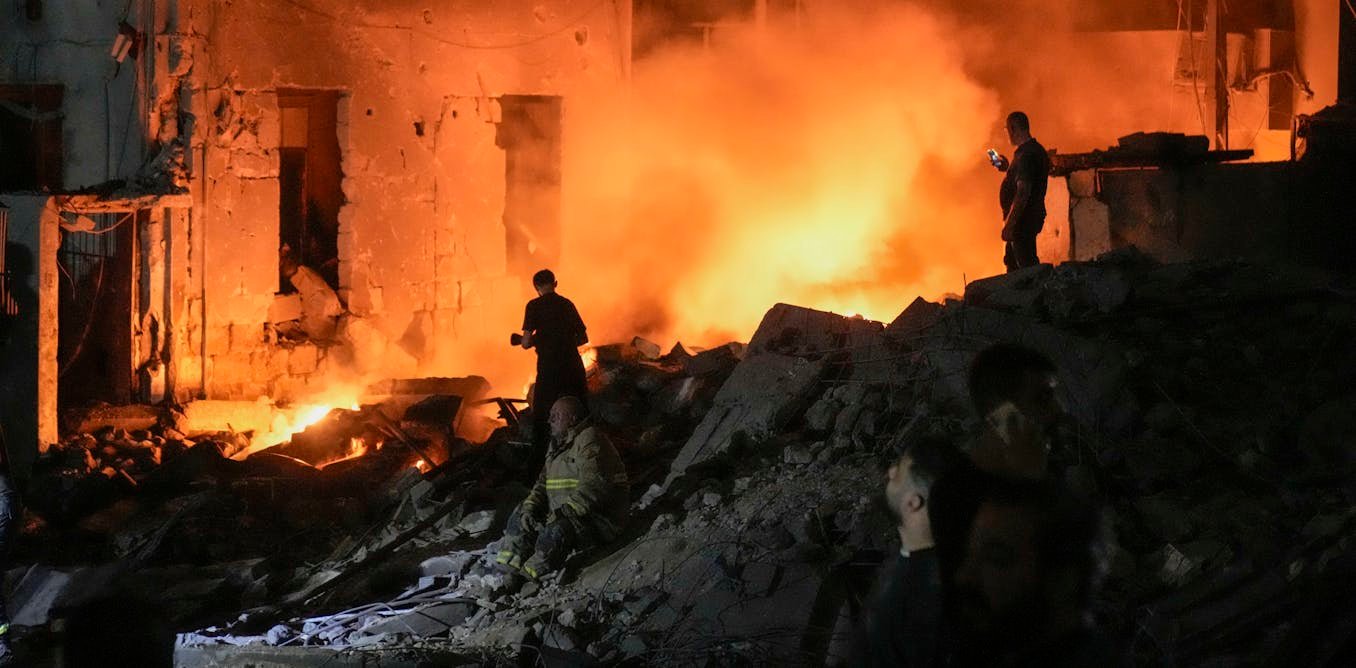
Violence has escalated in the Middle East in recent weeks, particularly in Lebanon, resulting in news of deaths, casualties and displacement.
In response, the Australian Government has arranged evacuation flights for Australian nationals and called on all Australians in Lebanon to take the earliest possible flight due to the unpredictable nature of the conflict. are.
This has been an extremely distressing time for the more than 248,000 Australians and others of Lebanese ancestry.
The escalating violence in Lebanon resonates deeply with other Australian diasporas, including Palestine and Ukraine. These scattered communities share similar experiences of conflict and displacement.
So how are Australians with ties to Lebanon, Gaza or other conflict zones looking after their mental health at the moment? And how can we support those who are suffering?
Some Australian nationals have returned from Lebanon on repatriation flights, but many remain. Bianca De Marchi/AAP
identify with pain and suffering
People with emotional ties to conflict zones overseas can empathize with the pain and suffering they see and hear. Australians with a common cultural heritage may be living in the shadow of events in their homeland, experiencing what research calls a ‘push-pull’ dynamic.
This person may experience intermittent periods of intense fear, anxiety, and emotional distress, as well as periods of calm and peace, as the upsetting event unfolds.
Some people experience a combination of insomnia, irritability, fear, frustration, anxiety, and emotional exhaustion. People are no longer isolated from their countries of origin. Rather, world events affect their personal and social lives, as well as their mental health.
In Australia, the ways in which people cope with the interplay between homeland events, feelings of helplessness and mental health are complex. It’s easy to get swept up in what’s going on. Events are vivid, compelling, and fast-paced.
how to take care of yourself
So what should you do if you notice that you or someone close to you is affected?
Know your pain triggers. For some people, it may be witnessing violence on TV news or social media. For others, this may be a story about murdered children and young people. When images and stories are repeated on multiple platforms, they can be painful to see and hear. Some may need to minimize media exposure.
Talk to someone you trust about your feelings. Describe what is happening and what you notice about yourself. If you are feeling vulnerable or concerned about your or a loved one’s mental health, please seek support from your health care provider.
Reconnect and strengthen your personal support network. Supportive cultural connections and support from family, friends and colleagues can prevent the onset or worsening of psychological distress.
Getting help early can increase your support options. It may also make you more likely to accept help in the future.
Consult reliable sources and adjust your media exposure. While many people need to know about events, the news articles and images are distressing.
Incorporate activities that provide reassurance, distraction, and make you feel safer in your situation. This includes:
spend time with family and friends
Spiritual, faith and religious reconnection
Distract yourself with music or food.
To protect your sleep and mental health, avoid bringing your devices to bed.
How to support others
If you work with or support someone who is affected, please recognize that this is a time for sensitivity and compassion. Show that you care and at the same time make sure they are okay. listen:
What is the most helpful thing about our support?
What is the best way for me or my team at work to support you and be there for you?
It’s also important to ask about someone’s mental health. You can ask:
A lot of things are happening, but how is things going at home right now?
When examining a person’s experience, remember that it is not always important to know the details of the individual or the situation. The key is to show genuine interest and create trust and psychological safety. Aim to really listen, not listen to respond.
As a friend, colleague, or manager, offering support and listening without judgment can help someone affected by a global catastrophe.
At times like these, the best thing you can do to protect your own and others’ mental health is validation, connection, and support.
Sometimes it’s hard to find the words. Here’s some useful information we know:
If you have a problem with this article, or are concerned about someone you know, please call Lifeline on 13 11 14.
