

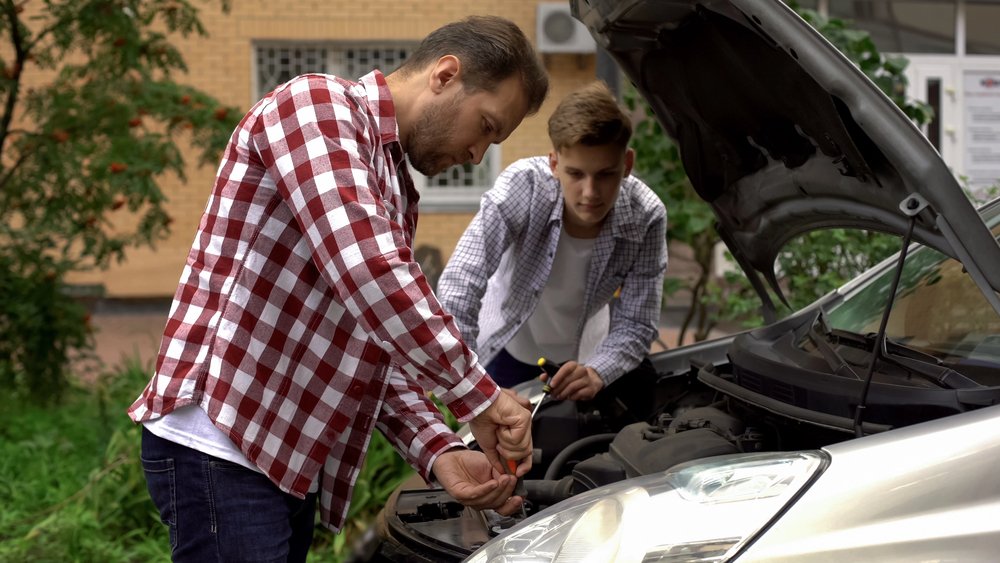
A recent shop coach advised that current vehicles are not always sufficient to attract young people to the industry, so a different kind of approach is needed.
As the auto industry grapples with attracting new talent, Jeff Farlow, owner of Wellsboro Automotive, spoke about the challenges and solutions during an apprenticeship training session at the Worldpac Supplier and Training Expo.
He emphasized that the younger generation feels uncomfortable with modern cars compared to the older generation, and stressed the need for a systematic career plan to draw them into the industry.
What’s driving young people away from automotive jobs? Farlow suggested looking at what’s in school parking lots.
Older generations had hot rods, Camaros, and Mustangs, but it was easier to understand when you popped the hood.
“We worked on his treatment on weekends and nights. But we can do it ourselves. We have the tools and we can find the knowledge,” he said. I did.
But today, new vehicles like modern Mustangs and products from Lexus, Tesla, and BMW are complex and inaccessible to DIY enthusiasts.
“They can’t tackle this. There’s no way they can tackle them,” Farrow explained. “So how do they fall in love with something they can’t do? How can they fall in love with an industry if they can’t be a part of it?”
That means taking a different approach to young children and their families. He provided a blueprint that shows there is a viable, structured career path in the auto care field. By providing a clear plan, the industry can begin to attract and retain the next generation of automotive engineers, he said.
Farrow noted that many parents focus on four years of college without a clear plan, but still feel that the scrap of paper past that point is worth it. Meet parents with a concrete career path you have created for your child, showing how your child will grow and what career they can pursue after receiving their education and training. going there can make a big difference in attracting young people. Bringing people into the auto service industry.
“When we said, ‘We have a plan for your child,’ they started listening to us,” Farrow said. He stressed that plans need to provide structure and a real path to a career, and must be in writing.
Luke Murray, instructor at Worldpac Training Institute, agreed.
“The turnover rate is terrible,” he said in the same session. “And when we looked into why[apprentices]left, the top two reasons were lack of mentorship and lack of career path.”
