

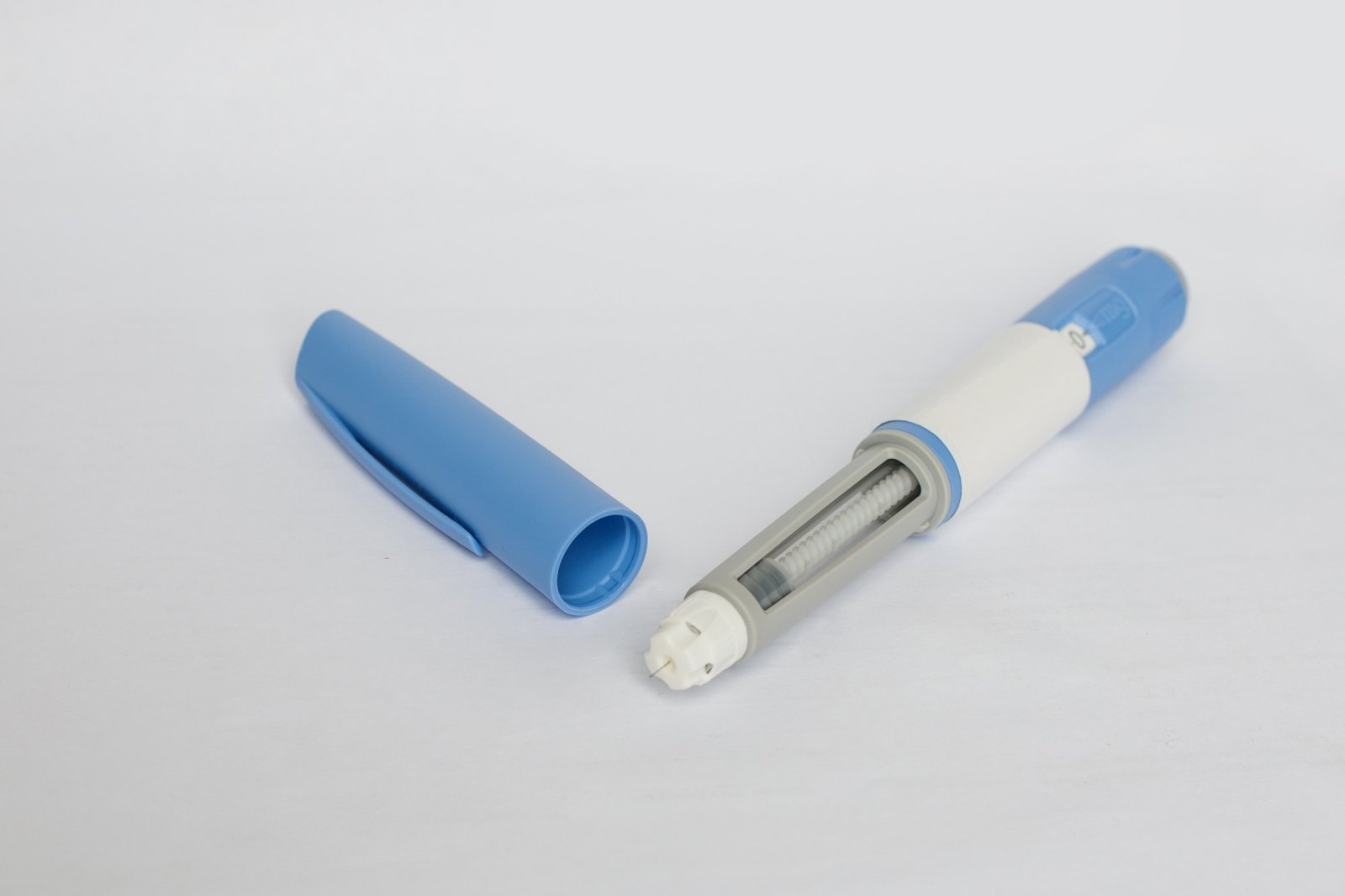
Studies have shown that semaglutide not only helps with weight loss, but also reduces the risk of heart failure by 76% in overweight patients, but it comes with significant side effects as the dose increases.
Clinical studies: Effects of semaglutide on safety and cardiovascular outcomes in overweight or obese patients: Systematic review and meta-analysis. Image credit: Artmim / Shutterstock
Semaglutide is one of the newer antidiabetic drugs that has also proven unexpectedly helpful in weight management. However, research on long-term risks and cardiovascular risk effects in non-diabetic obese and overweight individuals remains limited. A recent study published in the International Journal of Obesity addresses these aspects.
In 2020, there were 2.6 billion people around the world who were obese or overweight, and that number is predicted to reach 4 billion by 2035. Cardiovascular disease (CVD) is the leading cause of death in this population. GLP-1 receptor agonists, including semaglutide, are increasingly being used in this population because of their potential to reduce both body weight and cardiovascular events.
Glucagon-like peptide 1 receptor (GLP1R) is a glucose-regulated G protein-coupled receptor (GPCR) found in pancreatic beta cells and brain neurons. Semaglutide is a GLP-1 receptor agonist that provides blood sugar control in diabetics and also promotes cardiovascular health. However, it has a longer action time than natural GLP-1.
By binding to and stimulating the GLP-1 receptor, it increases insulin release and pushes glucose out of the blood while decreasing glucagon secretion (glucagon has the opposite effect). Additionally, it slows gastric emptying, increases satiety, and keeps you feeling full longer. Reduces food intake and restores normal insulin secretion patterns, both during fasting and postprandial timing.
Semaglutide also reduces body weight, leading overweight and obese patients to use semaglutide to adjust their risk of cardiovascular disease (CVD). It has been shown to lower levels of triglycerides and low-density (“bad”) cholesterol. Overall, glycated hemoglobin (HbA1c) levels and body weight are reduced.
Previous studies have shown a 22% improvement in cardiovascular disease outcomes, suggesting other mechanisms of action for GLP-1 agonists. Of these, semaglutide stands out as the most extensively studied. The current study aimed to understand the extent to which it improves cardiovascular disease outcomes and their side effects (AEs).
About research
The researchers included 38 studies in their systematic review of AE analyses, and included 5 of these studies in their cardiovascular outcome analyses. The total number of participants was 50,859.
In 23 studies, subcutaneous semaglutide was used at doses ranging from 0.5 mg to 1 mg, 2 mg, and 2.4 mg to 3 mg, whereas oral administration (from 3 mg to 4 mg, 7 mg, and 14 mg , up to 50 mg in nine studies), and both routes were used in seven studies. Control groups used a placebo, GLP-1 agonist, or insulin analog, along with other oral medications such as sitagliptin.
Participants’ body mass index (BMI) ranged from 24.7 kg/m2 to 38.8 kg/m2. HbA1c values ranged from 5.4% to 9%. Most studies (92%) had a low risk of bias.
Improving cardiovascular disease outcomes
The results showed that patients receiving semaglutide were 76% less likely to be hospitalized for heart failure than the control group. However, this effect was mainly observed in patients without diabetes. The risk of death from CVD was reduced by 17%.
Similarly, the oral route was superior to the subcutaneous route, reducing all-cause mortality by 20%. Semaglutide users had a 24% lower risk of needing coronary revascularization and were 24% less likely to have a nonfatal heart attack.
In people with diabetes, the risk of stroke was reduced by 35%.
The improved outcomes may be due to the effects of GLP-1 receptor agonists on multiple organs, including the cardiovascular and central nervous systems, and their role in reducing inflammation and improving lipid profiles. Masu.
Subcutaneous administration was associated with somewhat better outcomes compared with oral semaglutide. However, no significant differences in dose-related outcomes were found between routes of administration.
Side effect analysis
Both subcutaneous and oral semaglutide were twice as likely to discontinue treatment compared to controls.
Similar incidences of other AEs were observed regardless of route of administration. Nausea increased approximately 4-fold in the semaglutide group compared with the control group, and vomiting increased 5.5-fold and 8.4-fold, respectively, compared to 4% in the placebo group. Semaglutide doubled the risk of diarrhea and constipation.
Further analysis showed that nausea, vomiting, diarrhea, and constipation occurred at similar rates in subcutaneous and oral semaglutide users.
The frequency of AEs increased in a dose-dependent manner, except for treatment discontinuation and constipation rates. With 0.5 mg to 2.4 mg of subcutaneous semaglutide, 9% to 11% of users discontinued treatment due to AEs. The incidence of nausea increased from 23% with 0.5 mg to 68% with 2.4 mg, and the incidence of vomiting increased from 9% to 45%, respectively.
For oral semaglutide, treatment discontinuation due to AEs increased rapidly from 3 mg to 25 mg and then decreased at 50 mg. Nausea, vomiting, and diarrhea also increased rapidly from 3 mg to 50 mg.
conclusion
This is the first systematic review and meta-analysis to elucidate how semaglutide affects cardiovascular disease outcomes and related AEs in overweight or obese patients. Compared to previous studies based on other GLP-1 agonists, the data in this review highlight the superiority of semaglutide in reducing cardiovascular outcomes.
However, oral administration appears to be less stressful on the gastrointestinal tract. As expected from the existing literature, lower doses are less likely to cause AEs.
These results have important implications for hospitalizations for decompensated heart failure, mortality from cardiovascular disease and other causes, and nonfatal heart attacks, and may change practice guidelines.
Reference magazines:
Creto, A. S., Cirlo, J. M., Beltrame, M., Gómez, V. H., Akras, I. H., Nabers, G. S., Silva, B. B., Juliat, BM, Macciozeki, J., & Martins, C. M. (2024). Effects of semaglutide on safety and cardiovascular outcomes in overweight or obese patients: a systematic review and meta-analysis. International Journal of Obesity, 1-10. https://www.nature.com/articles/s41366-024-01646-9
Source link
